◆ Issue 04 · 2026

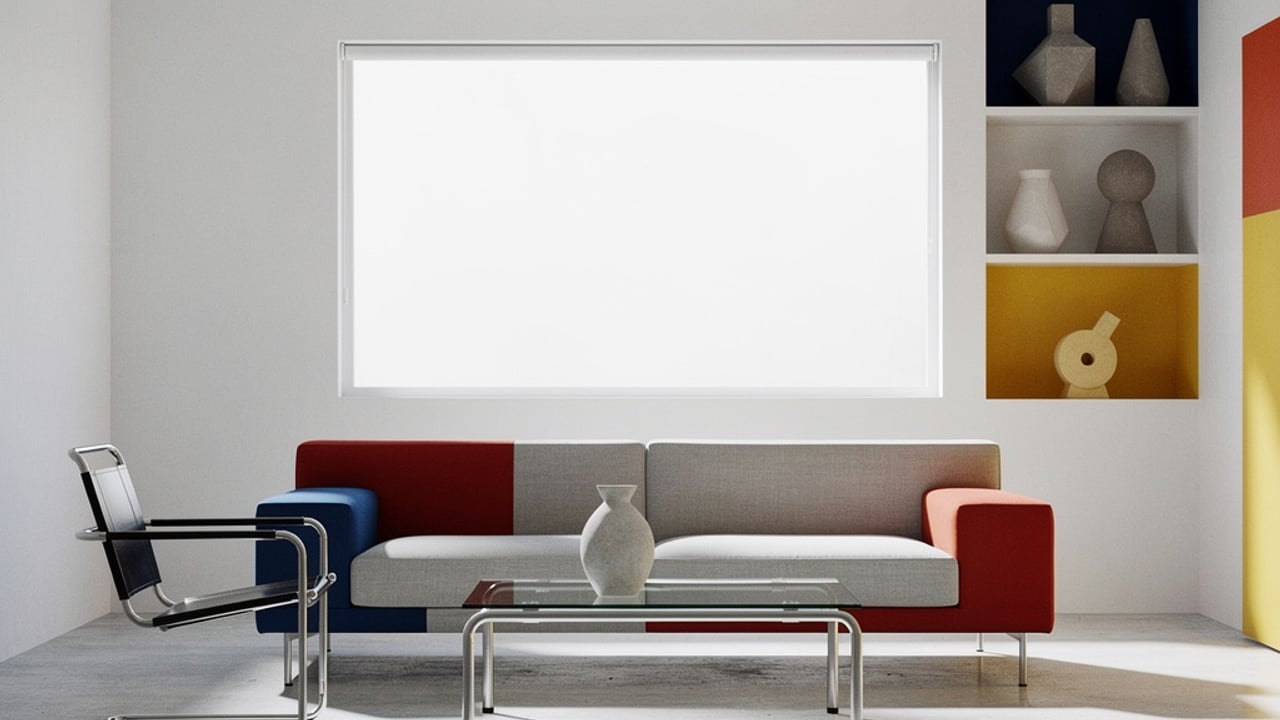
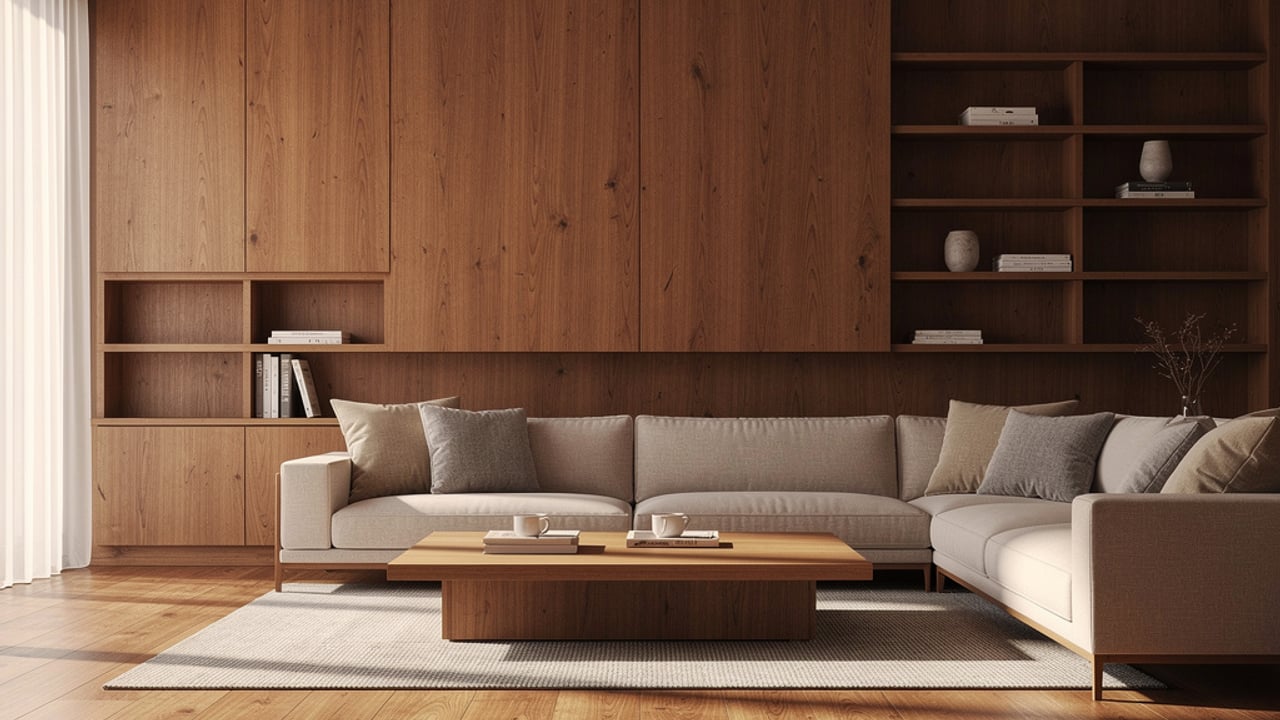
Warm modernism,
strict lines,
curated
objects.

Original single pieces from four decades of design history.

Laurids Lønborg Vintage Untersetzer Set in Orange - Skandinavisches Design der 1960er
0 pieces Vintage → 0 pieces Wecker → 0 pieces Dekoration → 0 pieces Schreibmaschinen →

New arrivals

See all new →
Laurids Lønborg Vintage Untersetzer Set in Orange - Skandinavisches Design der 1960er
Only one left
LOT RET-DE0070

Laurids Lønborg Vintage Untersetzer Set in Orange - Skandinavisches Design der 1960er

€110
GARANT Tischuhr Goldfarben - Vintage - Made in Germany
Only one left
LOT RET-TU-00033-B

GARANT Tischuhr Goldfarben - Vintage - Made in Germany

€199
Vintage Ventilator Libelle - Designklassiker Paul Linke
Only one left
LOT RET-VE0017

Vintage Ventilator Libelle - Designklassiker Paul Linke

€299
Kienzle Wanduhr - Keramik Tropfenform - Knallrot - 1950er Mid-Century
Only one left
LOT RET-WU-0025-A

Kienzle Wanduhr - Keramik Tropfenform - Knallrot - 1950er Mid-Century

€299
Bauknecht Wanduhr Quarz | Olivgrün Braun | Kunststoff | 1970er Jahre Design
Only one left
LOT RET-WU-0033-A

Bauknecht Wanduhr Quarz | Olivgrün Braun | Kunststoff | 1970er Jahre Design

€179
Haid Tischuhr Holz | Teak Messing | Made in Germany | 1950er Jahre Mid-Century Design
Only one left
LOT RET-TU-0050-B

Haid Tischuhr Holz | Teak Messing | Made in Germany | 1950er Jahre Mid-Century Design

€199
ALKA Kaffeemühle mit rotem Kurbelgriff - Vintage Handkaffeemühle aus Holz und Metall, 1950er
Only one left
LOT RET-DE0024

ALKA Kaffeemühle mit rotem Kurbelgriff - Vintage Handkaffeemühle aus Holz und Metall, 1950er

€79
SIEMENS Röhrenradio Kleinsuper UKW MW 50er Jahre rot Retro
Only one left
LOT RET-VE0027

SIEMENS Röhrenradio Kleinsuper UKW MW 50er Jahre rot Retro

€769

EDITORIAL · 01

mid-century interior — What defines it

4 Aspekte

The mid-century interior stands as one of the most consequential achievements in the history of applied arts. Between 1945 and 1980, designers across Europe and North America reconciled industrial production with humanist ideals, producing objects whose formal rigour and material intelligence remain unmatched. Mid-centurydesigns.com presents authenticated pieces from this period — each documented, each assessed for provenance and condition — for collectors and institutions who regard furniture not as commodity but as cultural artefact.

01

Designers & Workshops

The authorship of a piece is its primary historical credential. A mid-century interior draws its intellectual authority from named designers — Eames, Jacobsen, Zanuso, Prouvé — working within ateliers and manufacturers whose production records can be verified. We trace each object to its originating workshop, cross-referencing period catalogues, manufacturer archives, and exhibition documentation to establish an unambiguous chain of attribution.

02

Materials & Craftsmanship

Rosewood, teak, moulded fibreglass, cast aluminium, hand-lacquered steel: the material vocabulary of the period is precise and identifiable. Patina, joinery technique, upholstery composition, and hardware finishes all carry period-specific signatures. An experienced conservator can date a piece within a decade by its material alone. Each listing on this platform includes detailed condition notes and, where applicable, laboratory analysis of surface treatments.

03

Form Language & Proportion

The formal grammar of postwar design — tapered legs, organic shell forms, cantilevered planes — did not emerge arbitrarily. It was the product of systematic study: ergonomic research, structural engineering, and a conscious dialogue with modernist sculpture. Understanding proportion within a mid-century interior requires situating each object within the design discourse of its moment, from the Ulm School's systematic aesthetics to the softer humanism of Danish cabinetmakers.

04

The Era 1945–1980

The postwar decades constitute a distinct cultural epoch. Reconstruction, technological optimism, and expanding consumer economies created conditions for an unprecedented investment in domestic design. By 1980, the consolidation of postmodernism marked the close of that particular confidence. The objects produced within this window are historically bounded: they cannot be replicated, only collected. A mid-century interior assembled from authentic period pieces is, in the strictest sense, a form of material historiography.

STYLES · 02

Currents in mid-century interior

4 Strömungen

Postwar design was not a monolithic movement. It comprised competing schools, national traditions, and individual voices, each contributing a distinct strand to what we now collectively recognise as the mid-century interior. The following sections map the principal currents — their origins, their formal priorities, and their historical significance — to assist collectors in situating individual pieces within the broader canon.

01 Mid-Century Modern
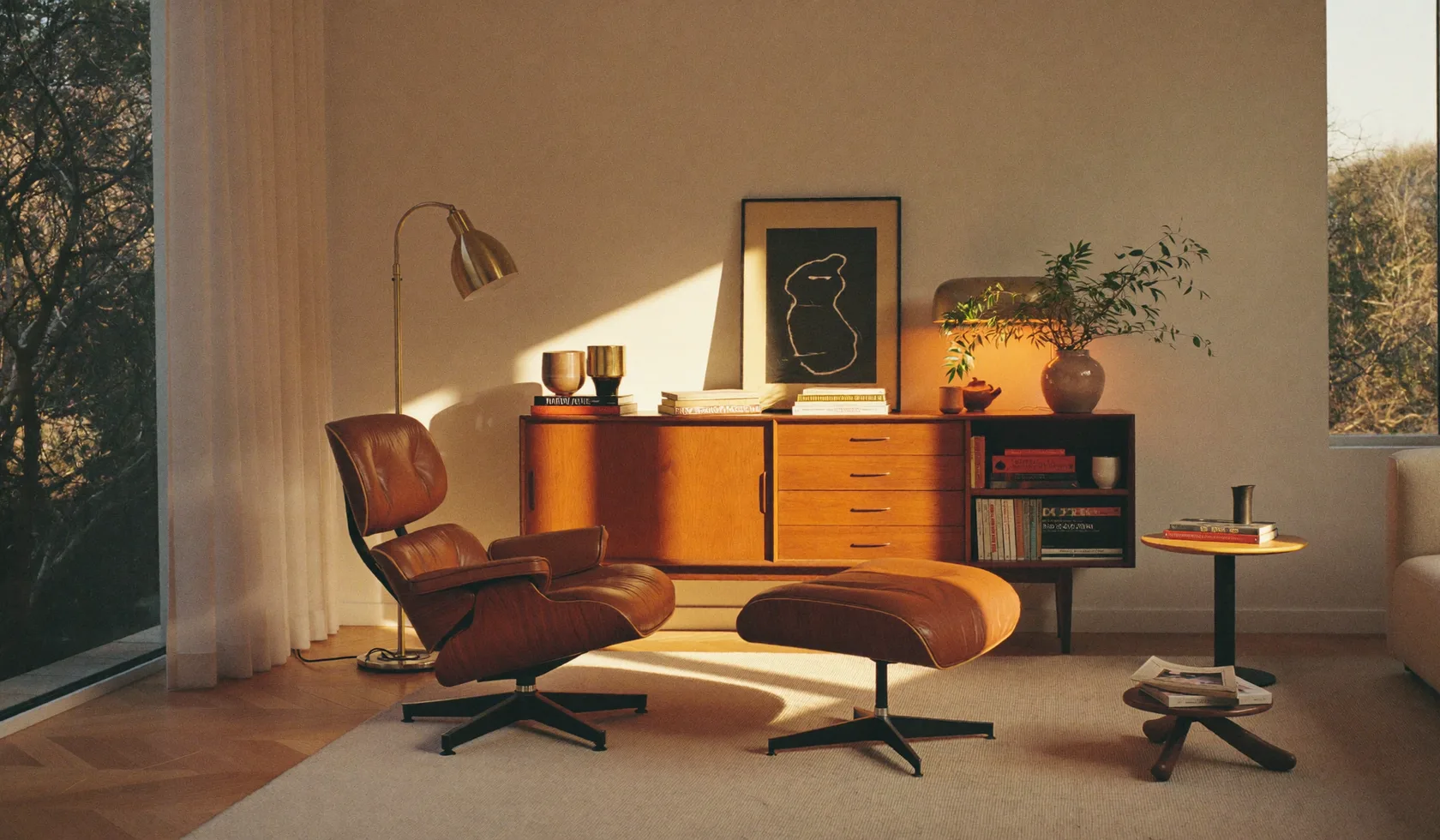
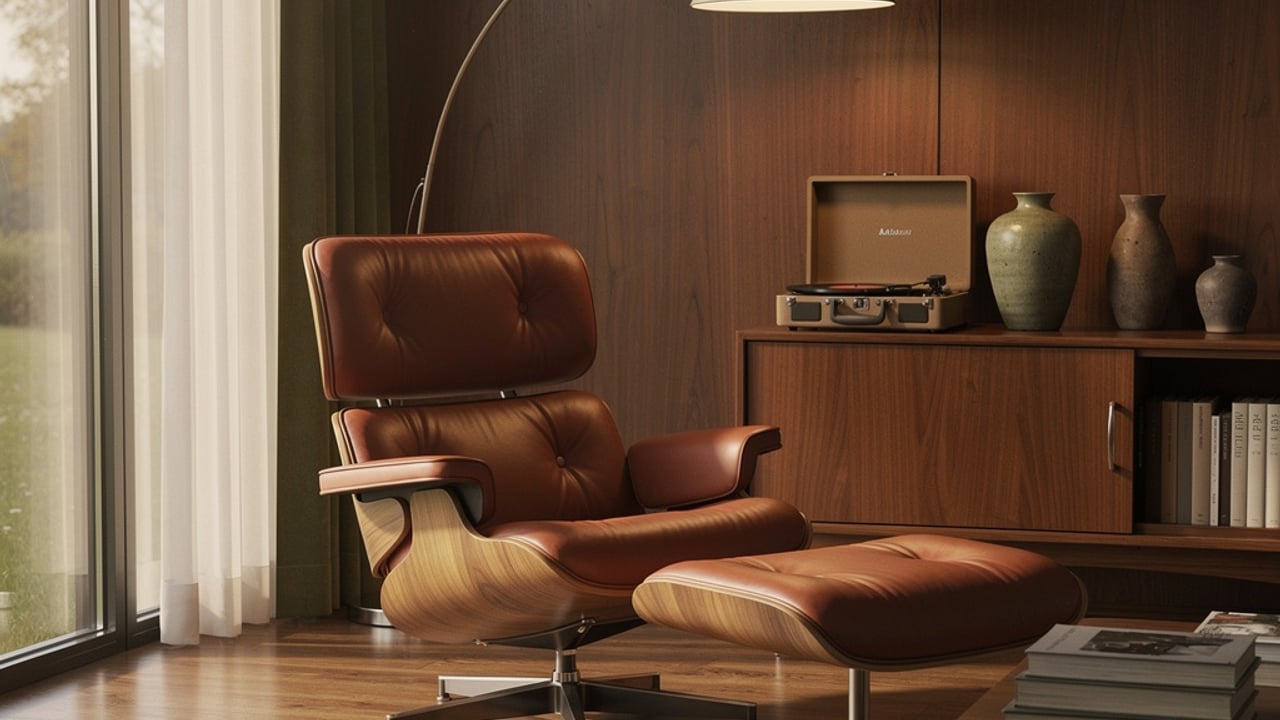
Mid-Century Modern as a stylistic designation encompasses the mainstream of postwar Western design: a synthesis of Bauhaus rationalism, organic modernism, and industrial manufacturing capability. Its emblematic objects — the Eames Lounge Chair, the Tulip Table, the Barcelona Chair in its postwar reissues — achieved canonical status within decades of production. The mid-century interior conceived along these lines pursues a balance between sculptural presence and functional restraint. Geographically, the movement centred on the United States, with Herman Miller and Knoll International as its principal industrial platforms, though significant parallel developments occurred simultaneously in Britain, Germany, and the Netherlands.
02 Scandinavian Design
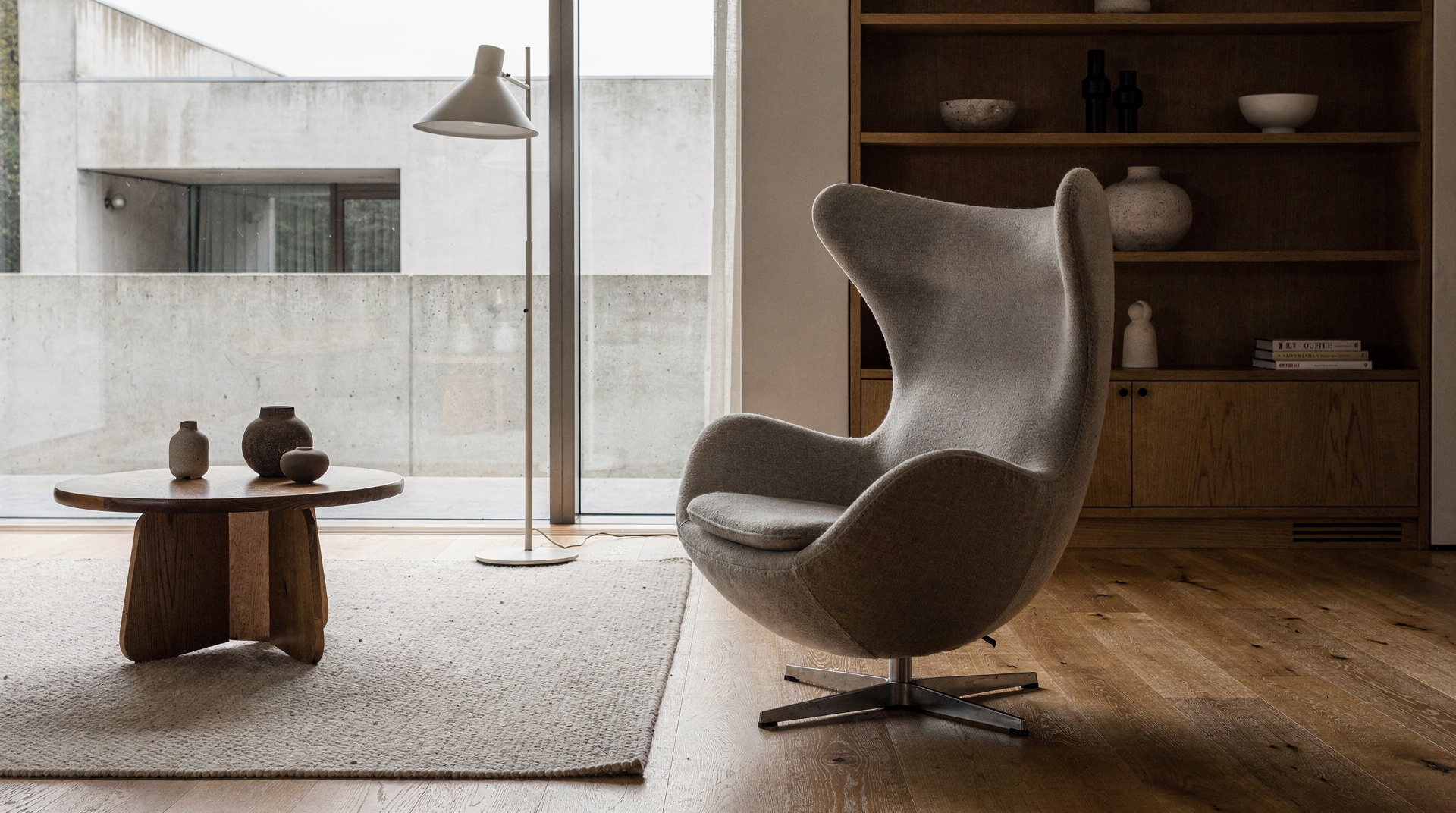
Scandinavian design of the postwar period — practised in Denmark, Sweden, Finland, and Norway — pursued a humanist interpretation of modernism, one grounded in craft tradition and a particular sensitivity to natural materials. Hans J. Wegner, Finn Juhl, Alvar Aalto, and Bruno Mathsson produced objects distinguished by their tectonic clarity and material honesty. A mid-century interior furnished with Scandinavian pieces communicates a specific set of values: the rejection of ostentation, respect for the inherent qualities of wood and wool, and an understanding that domestic comfort is a legitimate aesthetic category. These objects age with exceptional grace.
03 Bauhaus & Functionalism
The Bauhaus closed in 1933, but its influence on postwar design was structural rather than merely stylistic. Emigrating masters — Mies van der Rohe, Marcel Breuer, László Moholy-Nagy — transplanted its methodologies to American institutions, where they shaped an entire generation of designers. Functionalist furniture within a mid-century interior is identifiable by its systematic reduction: geometry precedes ornament, structure is expressed rather than concealed, and the logic of production is made visible in the finished object. Pieces in this lineage carry a specific intellectual pedigree, one that connects postwar domestic design directly to the Weimar avant-garde.
04 Italian Design
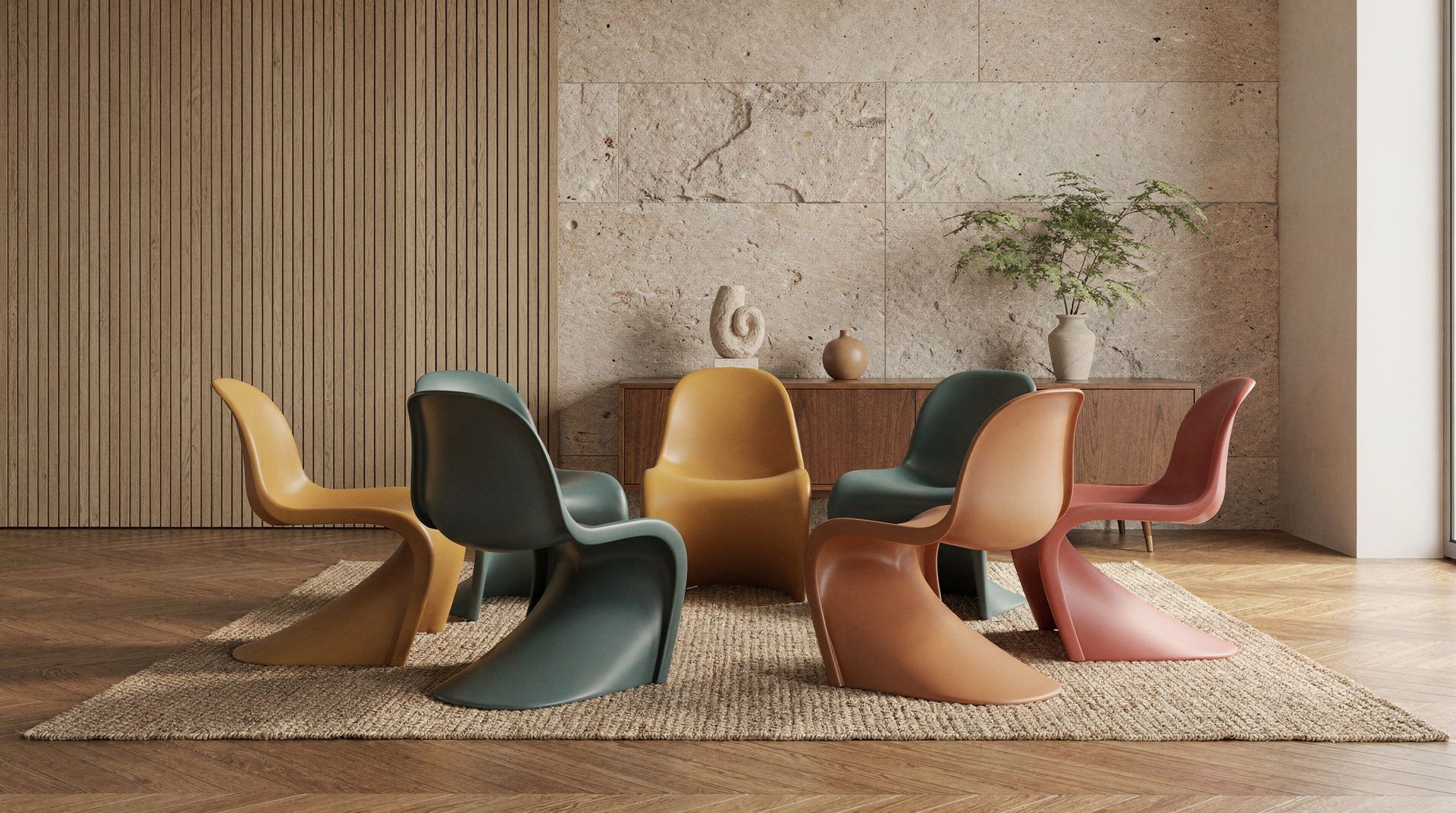
Italy's design culture in the postwar decades was exceptional in its capacity to unite industrial ambition with artistic sensibility. Studios such as Cassina, Arflex, and Tecno collaborated with designers — Carlo Mollino, Marco Zanuso, Gio Ponti, Vico Magistretti — who trained as architects and brought a spatial intelligence to furniture that distinguishes Italian work from its northern European contemporaries. The resulting objects are simultaneously structural propositions and sculptural statements. Within a mid-century interior, Italian pieces introduce a chromatic and formal exuberance — particularly from the late 1960s onward — that complicates any reading of the period as uniformly restrained.

FAQ · 03

Frequently asked questions about vintage designer furniture

6 Fragen

01
How do you verify the authenticity of a piece listed on mid-centurydesigns.com?
Authentication follows a multi-stage process: physical examination of construction technique, hardware, and material composition; cross-referencing with period manufacturer catalogues and price lists; review of any accompanying documentation — original receipts, exhibition labels, or prior auction records. For significant works, we commission independent assessments from specialist conservators. No piece is listed without a traceable basis for its attribution.
02
What documentation should accompany a vintage designer piece?
Ideal provenance documentation includes the original purchase receipt, manufacturer's labels or stamps on the underside of the piece, prior auction or gallery records, and any correspondence linking the object to its first owner. In practice, complete documentation is rare for furniture produced before 1970. Partial provenance, rigorously assessed, is the standard against which most authentic mid-century pieces are evaluated.
03
How should I care for and maintain authentic mid-century furniture?
Teak and rosewood surfaces should be treated sparingly with natural oils — never silicone-based products, which penetrate grain and alter patina irreversibly. Upholstered pieces require periodic professional cleaning using pH-neutral agents. Lacquered steel and aluminium frames should be kept dry and examined annually for corrosion at joints. Sunlight is the primary enemy of textile integrity; UV-filtering glazing is strongly advisable in rooms where significant pieces are displayed.
04
Do mid-century designer pieces appreciate in value over time?
The secondary market for authenticated postwar design has demonstrated consistent appreciation over the past three decades, with particular strength in works by documented designers produced in limited factory runs. Value is determined by rarity of model, condition of original finish, completeness of provenance, and current critical standing of the designer. Pieces in original, unrestored condition with documented ownership history command the strongest premiums at auction.
05
What is the difference between an original period piece and an authorised reissue?
An original period piece was manufactured during the designer's active lifetime, often under direct supervision or within a licensed arrangement with an established manufacturer. An authorised reissue is a contemporary production of the same design, sanctioned by the rights holder. Both have legitimate commercial value, but they are categorically distinct as historical objects. Mid-centurydesigns.com lists only authenticated period examples, not reissues.
06
How does restoration affect the value of a vintage design piece?
Restoration, if disclosed and professionally executed, need not diminish value significantly. However, interventions that replace original components — seat foam recast in modern materials, structural members fabricated in non-period wood — reduce both historical integrity and market value. Collectors assembling a mid-century interior from investment-grade pieces should request precise written accounts of any restoration work undertaken prior to acquisition, specifying materials and methods used.

FROM THE JOURNAL · 04

From the Journal

All articles →

DISCOVER · 05

Authentic mid-century interior in the shop

mid-century·designs

Over 100 curated pieces from 1945–1980, each with a condition report and provenance notes.