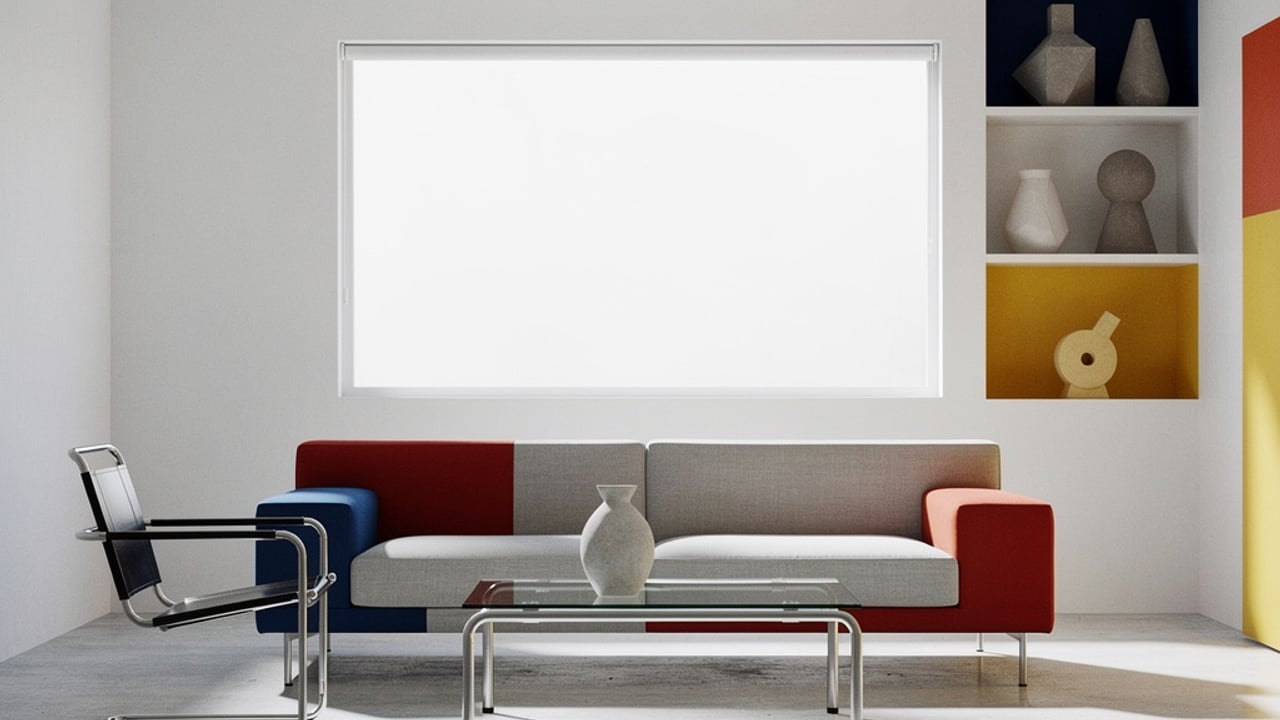
The Bauhaus Legacy in Furniture Design
No single institution reshaped the language of the domestic interior more decisively than the Bauhaus. Founded by Walter Gropius in Weimar in 1919, the school sought to dissolve the hierarchy separating fine art from applied craft. The result was a workshop-driven curriculum that treated the chair, the lamp, and the cabinet as seriously as any canvas — demanding that every formal decision be answerable to purpose, material logic, and industrial reproducibility.
The furniture emerging from those workshops between 1919 and 1933 remains among the most studied and collected design of the modern period. Its continuing presence in museum permanent collections and serious private holdings reflects a durability that transcends periodic shifts in taste.
Bauhaus Materials and Construction Principles
The defining material innovation of the school’s Dessau phase was tubular steel. Marcel Breuer’s experiments beginning in 1925 — reportedly inspired by the curved steel frame of an Adler bicycle — produced chairs of remarkable structural economy. Bent seamlessly into cantilevered and four-legged configurations, the steel tube eliminated the traditional joint, reducing visual mass while increasing structural honesty.
Leather and canvas slings replaced upholstered padding, making the relationship between support and structure visible rather than concealed. Lacquered wood, plate glass, and nickel-plated fittings completed the material vocabulary: a palette chosen for precision manufacturing rather than artisanal uniqueness. Collectors should attend carefully to original surface patination and period hardware, which distinguish authentic objects from the licensed reproductions that entered production after the school’s closure.
Authenticating Vintage Bauhaus Objects
Authentication demands a layered methodology. Period photographs, exhibition catalogues, and correspondence archives establish the typological context of any given model. Physical examination focuses on welding technique, steel gauge, and the precise radius of bent members — tolerances that changed significantly in postwar licensed production. Upholstery should be assessed for period-appropriate tacking and thread; replacement fabric, while common after decades of use, must be disclosed and should not obscure original frame condition.
Provenances tracing directly to the school’s documented output — faculty acquisitions, corporate commissions from Dessau-era clients, or early German retail records — command the highest confidence. Secondary market documentation from respected auction houses provides a further layer, though it does not substitute for primary archival research.
Collecting Bauhaus Furniture Today
The market for authentic objects from this period has matured considerably. Institutional acquisitions by major museums have removed a significant share of documented examples from circulation, placing upward pressure on authenticated pieces that do come to market. Collectors entering today face a landscape in which scholarly rigour is inseparable from financial prudence: an undocumented attribution reduces both aesthetic and monetary value.
Mid-century-designs.com presents only objects that have passed our three-stage review: initial visual and material assessment, external specialist consultation, and final editorial evaluation against known catalogue raisonnés. Each listing includes a condition report, provenance summary, and comparative reference to museum or auction comparables. For the serious collector, this represents the minimum standard of due diligence that any significant acquisition warrants.